The Race You Win Alone Is the One That Ends Your Career
When I was in my mid-twenties, I was the best department manager in my store. I knew it. Everyone else knew it. And I made sure they felt it.
I outperformed every other department manager so visibly that when the numbers came in, my salary increase was larger than all of theirs combined. I wore that like a badge. I had won. They had lost. That was the game, and I was better at it.
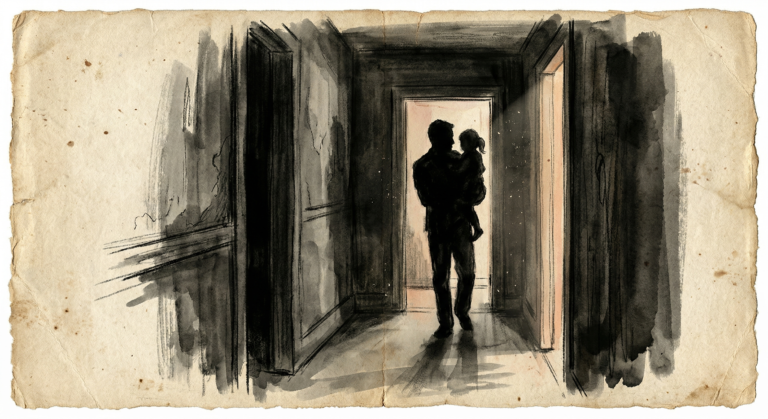
Then I got promoted. Bigger store. New team. Same attitude.
It took almost no time for things to fall apart. I walked in with the confidence of someone who had already proven himself — and the arrogance of someone who thought proving himself meant making others feel small. I made an enemy of a peer. Not through conflict — through dismissal. I did not take him seriously. He noticed.
He started talking. Rumours. Lies. Things I could not trace but could feel in how people looked at me. And because I had built no alliances, there was nobody to push back against it on my behalf.
Then I made it worse. I started competing with the store manager. My own boss. The same pattern I would repeat for years before I finally understood what it cost me. I was being considered for a store manager position of my own. Instead, the two of them made my daily life unbearable, and I was eventually forced out of the company entirely.
I had won every race I entered. And I had nothing to show for it.
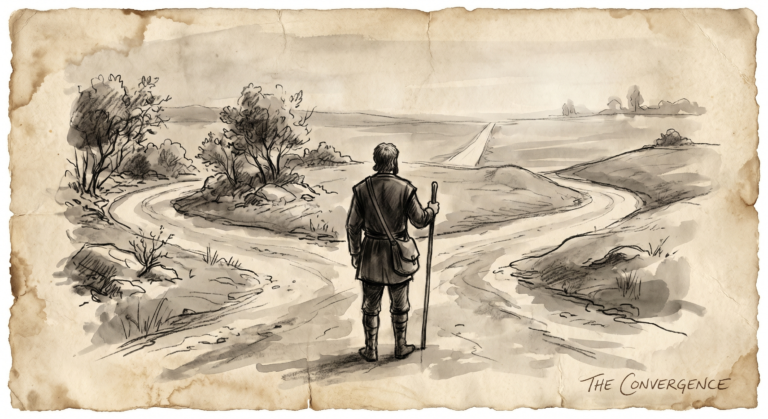
It took me years to understand what I had been doing wrong. I thought work was a tournament. You perform, you rank, you rise. The best player wins. But companies are not tournaments. They are ecosystems. And in an ecosystem, the creature that threatens everything around it gets removed — no matter how strong it is.
The shift did not happen all at once. It happened through enough losses that I could no longer blame everyone else.
Years later, I was working on a project alongside eight other product owners. Same type of environment — visible performance, easy comparisons, room to stand out. People went on leave. I was asked to step in and cover their responsibilities.
The old version of me would have seen that as an opportunity. A chance to show I could do their job better than they could. A chance to be noticed.
I did the opposite. I covered their work cleanly, kept things running, and made sure that when they came back, nothing had been taken from them. No glory stolen. No repositioning. Just reliability.
The result surprised me. Not because it was dramatic — but because it was quiet. My peers trusted me. When I needed help, they gave it without hesitation. When my name came up in conversations I was not part of, it came up well. I had built something I never had before — a reputation that did not depend on being better than everyone else.
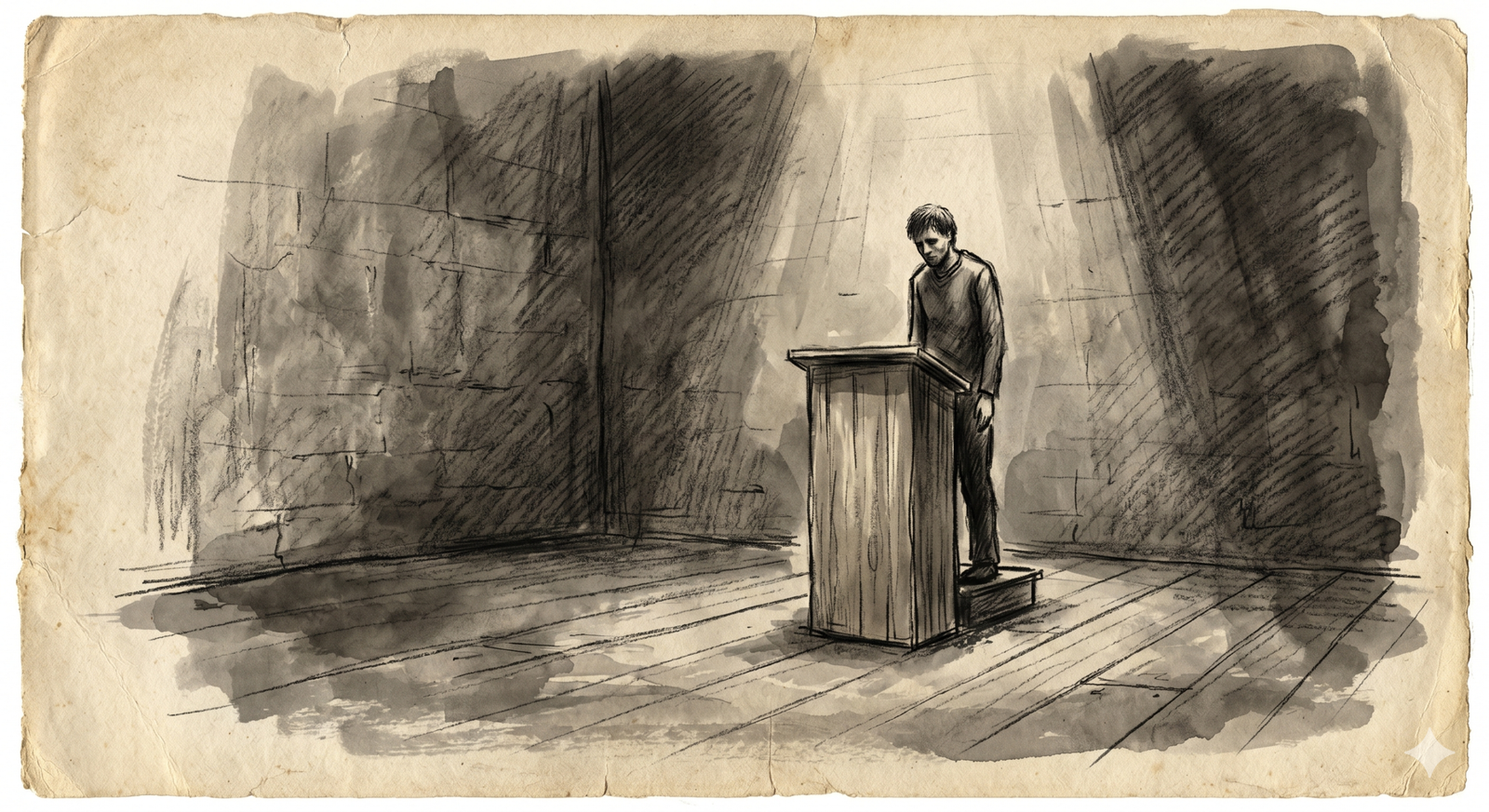
The difference was not that I had become less capable. It was that I had finally stopped confusing dominance with leadership. Outperforming someone is easy. Building the kind of trust where people want you to succeed — that is the hard skill. And nobody tells you that when you are twenty-five and collecting wins like they will protect you.
They will not. The relationships you build will.
— Martin Masters
If you want to understand the patterns driving how you compete, collaborate, and show up at work — Menergize was built for exactly that.